Over the years, window spacers have become immensely popular and are widely used to improve window performance, comfort, and energy efficiency. Not only do they keep the glass panes correctly spaced, but they also influence insulation and overall comfort. When it comes to window spacers, the two most common types are warm edge spacers and aluminium spacers.
While both aluminium and warm edge spacers keep glass panes in place, they differ in how well they insulate, prevent condensation, and maintain comfort.
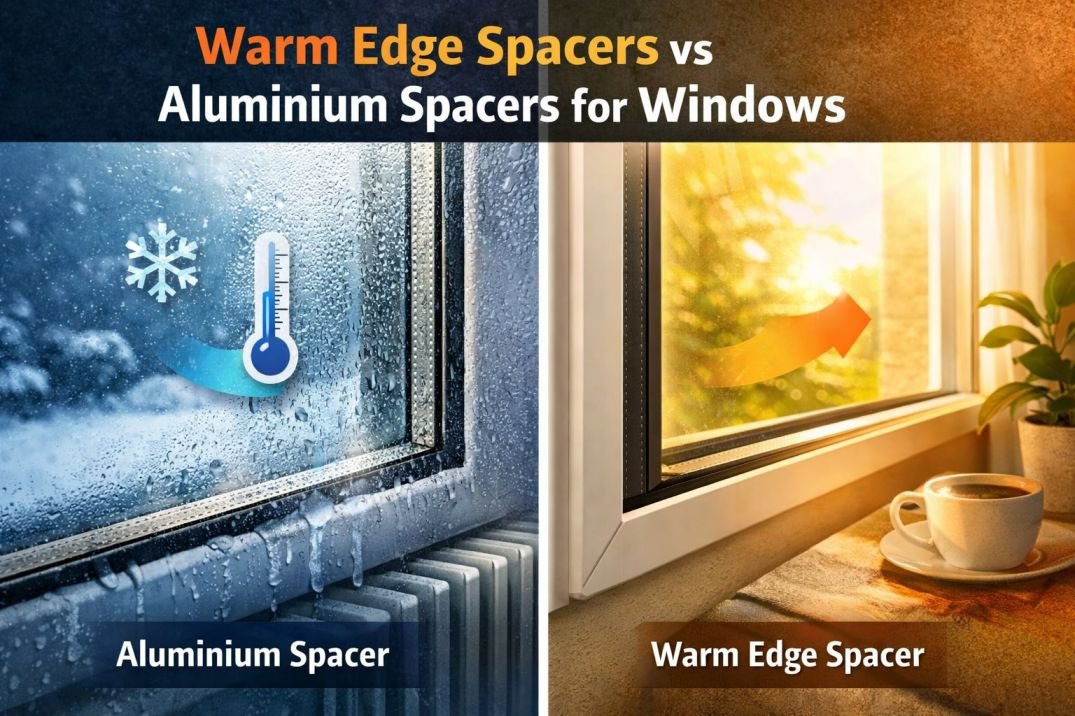
Aluminium spacers are basic metal strips that hold glass panes, but they conduct heat easily and can lead to condensation along window edges. Warm edge spacers, on the other hand, are made with PVC or other low-conductivity materials and reduce heat loss, lower condensation, and improve overall comfort.
While you can find a plethora of aluminium and warm edge spacer suppliers, it is important to know the differences between them and how they affect window performance. By understanding how aluminium and warm edge spacers differ, you can choose the one that keeps your home warmer, reduces condensation, and saves energy over time.
What Are Aluminium Spacers?
Aluminium spacers are thin metal strips placed between panes of glass in double or triple glazing. Their main job is to keep the panes the correct distance apart and seal the edges of the glass unit. Aluminium is strong and long-lasting, making it a common choice for window manufacturers.
Even though aluminium spacers are simple and durable, they conduct heat easily. This means cold or warm air can pass through the edges of the window, reducing energy efficiency. They may also increase the chance of condensation on the edges, especially in colder climates.
Key features of aluminium spacers:
Feature | Details |
Heat Transfer | Conducts heat, which can reduce window insulation |
Durability | Strong and long-lasting, withstands normal use |
Condensation | Edges can attract moisture, leading to fogging |
Maintenance | Minimal care, but condensation may need cleaning |
Aluminium spacers are straightforward and reliable. However, their metal edges can make windows less energy-efficient and less comfortable in cold weather.
What Are Warm Edge Spacers?
Warm edge spacers are made from PVC or similar low-conductivity materials, which conduct less heat than metal and help improve insulation. They are placed between glass panes in double or triple-glazed windows, just like aluminium spacers. Using modern spacer bar technology in double glazing, warm edge spacers slow down heat transfer at the edges of the glass, helping maintain a more consistent indoor temperature.
Warm edge spacers also help extend the life of the window seals by reducing stress caused by temperature changes. They prevent the glass from contracting or expanding too quickly at the edges, which lowers the risk of leaks or seal failure. Additionally, they improve overall comfort by keeping window edges closer to room temperature, making indoor spaces feel warmer in winter and cooler in summer.
Key features of warm edge spacers:
Feature | Details |
Heat Transfer | Low heat transfer keeps indoor areas warmer |
Condensation | Less moisture and fogging on window edges |
Comfort | Maintains a more stable temperature near windows |
Maintenance | Easy to clean; no special upkeep required |
Designed to limit heat escaping through the window edges, warm edge spacers boost energy efficiency while keeping indoor temperatures stable and windows in good condition longer.
Warm Edge vs Aluminium: Practical Differences You Should Know
While both aluminium and warm edge spacers serve the same purpose of holding glass panes in place, they differ in several key ways that homeowners should know before making a choice. Besides, how well a spacer performs can impact indoor temperatures, energy use and the long-term condition of the windows.
For homeowners comparing options, knowing how each spacer performs provides useful context when choosing the right one for their home.
Let’s take a closer look at the differences between aluminium and warm edge spacers, and see which one is best for maintaining window insulation and overall efficiency.
Energy Efficiency
Aluminium spacers transfer heat easily, causing window edges to become cold in winter and hot in summer, which lowers overall energy efficiency in buildings. Over time, this can increase energy use for heating and cooling in factories, warehouses, and other industrial sites.
Warm edge spacers, on the other hand, are made from PVC or similar low-conductivity materials. They slow down heat transfer at the window edges, maintaining more stable temperatures across the glazing. This improves overall thermal performance, reduces energy loss and helps buildings meet efficiency standards more effectively.
Condensation and Moisture
Windows with aluminium spacers are more likely to show condensation along the edges. Moisture can accumulate on the cold metal, causing fogging or even water damage over time. This is especially common in areas with high humidity or cold winters.
Warm edge spacers keep the glass edges warmer. This reduces condensation and fogging, protecting window frames and interiors. Fewer water problems mean less cleaning and maintenance over the lifespan of the window.
Comfort
The edges of windows with aluminium spacers can feel cold in winter. The space near these windows may remain cooler, even when the glazing is properly sealed.
Warm edge spacers keep the edges of the glass warmer by limiting thermal transfer. This improves comfort near windows and contributes to an overall cosy indoor environment.
Durability and Performance
Aluminium spacers are prone to thermal stress, which can reduce the lifespan of window seals and increase the chance of condensation over time.
Warm edge spacers use PVC and similar materials that resist expansion and contraction, safeguarding the glass as well as seals. This results in longer-lasting windows, fewer maintenance issues and consistent thermal performance, making warm edge spacers a reliable choice for industrial and commercial projects.
Seal Integrity and Window Longevity
Aluminium spacers can expand and contract with temperature changes, which may place stress on window seals over time. This can reduce the lifespan of the glazing system and increase the need for repairs.
Warm edge spacers, made from PVC or other low-conductivity materials, flex less with temperature changes and maintain a more stable seal between glass panes. This preserves the integrity of the window, reduces maintenance needs and ensures consistent performance over many years.
Side-by-Side Comparison of Aluminium and Warm Edge Spacers
Aluminium and warm edge spacers differ in how they perform within windows. Each type affects heat transfer, condensation, comfort, and maintenance in unique ways. The table below highlights these differences and shows how their properties impact insulation, durability and operational efficiency.
Factor | Aluminium Spacer | Warm Edge Spacer |
Heat Transfer | High; heat passes through the window edges | Low; heat loss at the window edges is minimised. |
Energy Efficiency | Lower; heat escapes through the edges, increasing energy use | Higher; reduces energy loss and improves overall thermal efficiency |
Condensation | More likely; edges can develop fog or moisture | Less likely; edges stay warmer and drier |
Comfort | Colder edges in winter and hotter edges in summer | Warmer edges with more consistent interior temperatures |
Maintenance | Minimal, but condensation may require attention | Easy to clean and requires little maintenance |
Durability | Strong, long-lasting | Strong, long-lasting and maintains efficiency and seal integrity over time |
Conclusion
Choosing between aluminium and warm edge spacers often comes down to the thermal performance, insulation needs, and long-term reliability required for your windows. While both aluminium and warm edge spacers hold glass panes in place, warm edge spacers provide better control over heat loss, reduce condensation and maintain more stable edge temperatures.
From energy efficiency and comfort to durability and maintenance, each type of spacer has distinct characteristics. However, warm edge spacers stand out for minimising thermal loss, protecting window seals, and maintaining consistent performance over time.
Are you looking for high-performance warm edge spacers? M3 Extrusion offers premium PVC warm edge spacers that reduce heat loss, minimise condensation, and improve the thermal performance of your windows.
Frequently Asked Questions
Are warm edge spacers compatible with all types of windows?
Warm edge spacers can be used in both double and triple-glazed windows. They are compatible with most frame materials, including uPVC, aluminium, and composite, making them suitable for windows in commercial and industrial buildings.
How much energy can warm edge spacers save?
Energy savings depend on building design, window type, and climate conditions. By reducing heat transfer at the window edges, warm edge spacers improve insulation, lower heating and cooling demands, and contribute to reduced energy consumption in industrial and commercial facilities.
Do warm edge spacers have the same lifespan as aluminium spacers?
Warm edge spacers are durable and maintain performance over many years. Unlike aluminium, they are less prone to condensation-related damage, ensuring consistent thermal performance and longer-lasting seals in commercial and industrial glazing applications.
Can warm edge spacers be used in all climates?
Warm edge spacers perform reliably in cold, hot, and humid climates. They help maintain stable edge temperatures, minimise condensation, and enhance energy efficiency, making them suitable for a wide range of industrial, commercial, and large-scale building environments.