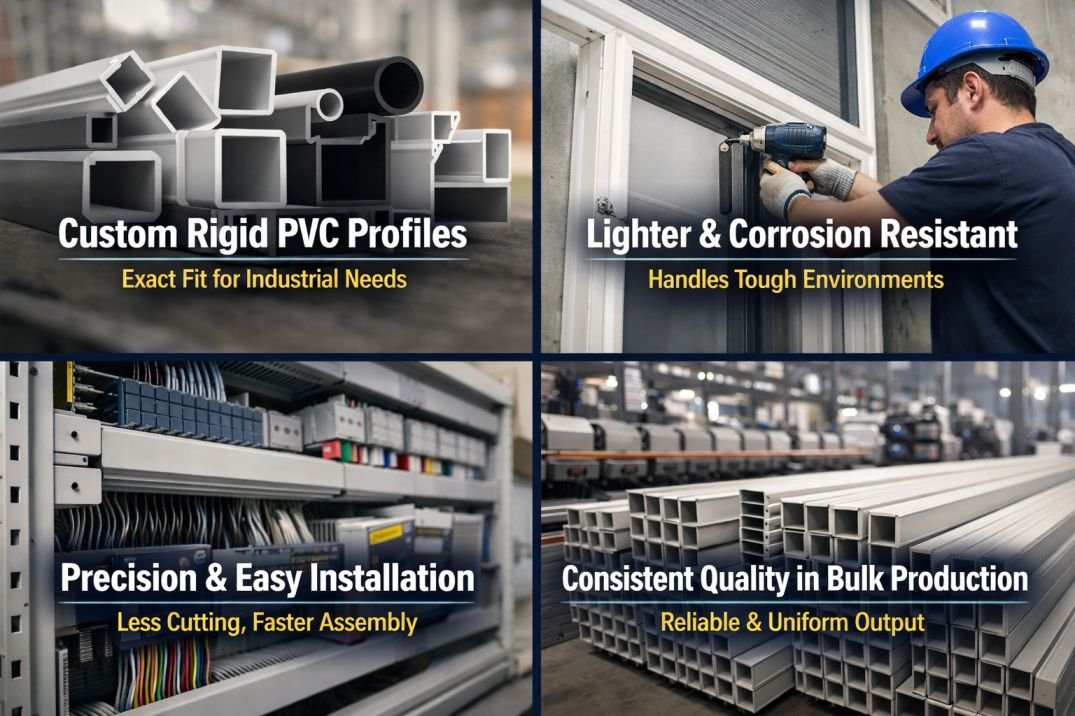
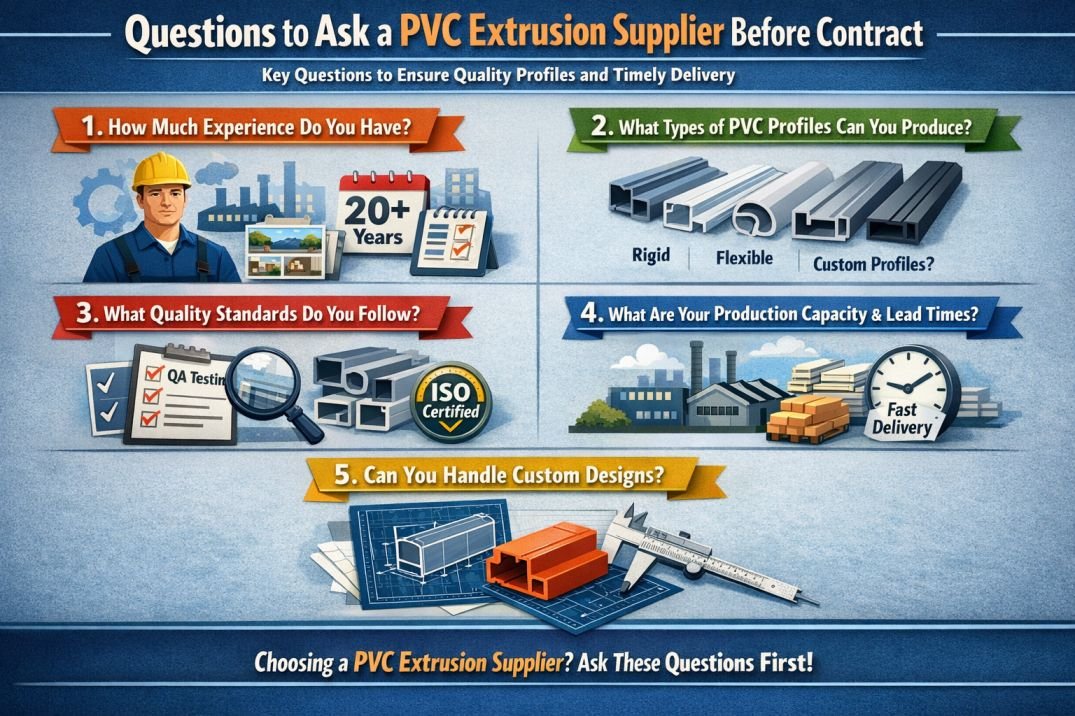
Over the years, PVC profiles have become a trusted choice for urban drainage and infrastructure projects. Cities increasingly rely on them for pipelines, storm drains and sewer networks because they are strong, lightweight and easy to install. Different types of PVC profiles, like rigid PVC profiles, provide the strength needed to handle water pressure, chemical exposure, and changing weather without corroding or breaking.
Not only do they last longer than metal or concrete alternatives, but they also reduce maintenance costs and downtime for repairs. With PVC profiles, installation is faster and safer for workers. Their smooth surfaces prevent blockages and ensure steady water flow.
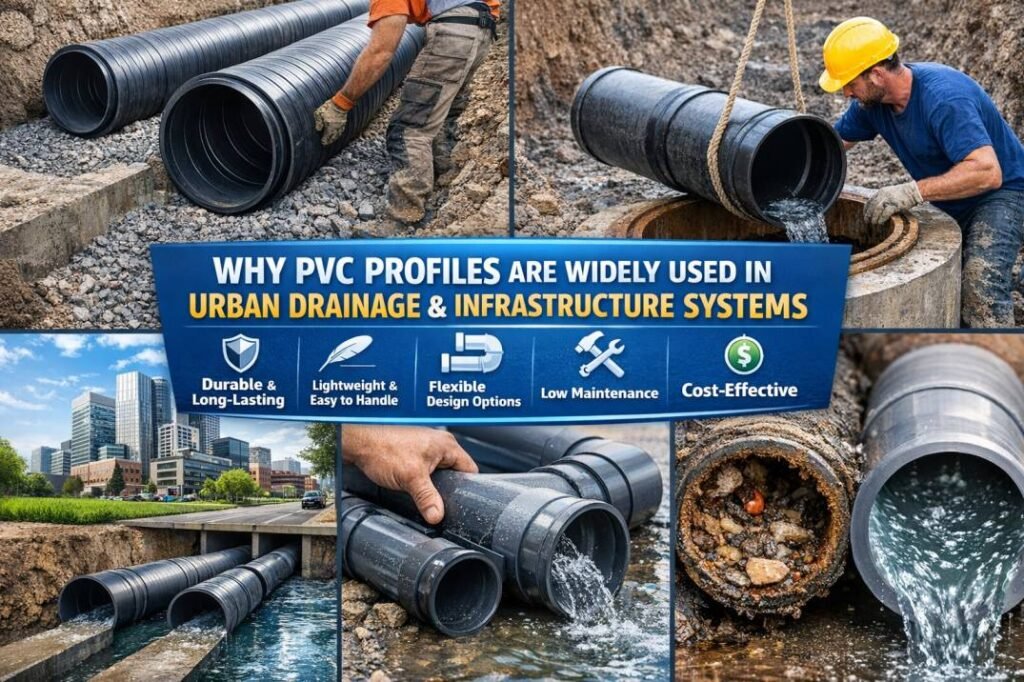
Engineers can cut and shape them on site, making them flexible for complex city layouts. Because of their durability and ease of installation, they offer a practical and cost-effective solution for building reliable urban drainage and infrastructure systems.
5 Reasons Why PVC Profiles Are Widely Used in Urban Drainage and Infrastructure Systems
Known for being strong and durable, PVC profiles are widely used for urban drainage and infrastructure projects. They come in a variety of shapes and sizes, making it easier to match specific project needs. Not to mention, the smooth surface of PVC profiles helps water and waste move efficiently, which keeps pipelines running well.
They are also resistant to pests and biological growth, reducing the need for frequent cleaning. All these features work together to make PVC profiles a practical and reliable choice for urban planners and engineers managing drainage and infrastructure projects.
Here are five reasons why PVC profiles are widely used in urban drainage and infrastructure systems.
Durable and Long-Lasting
PVC profiles are known for their strength and ability to withstand harsh conditions. They resist water, chemicals, and physical wear, making them reliable for urban drainage and infrastructure systems. Their long service life ensures fewer replacements and consistent performance in pipelines, drains, and sewer networks.
The table below highlights the durability factors that make PVC profiles ideal for long-lasting urban drainage and infrastructure systems.
Feature | Benefit
|
Water Resistance | Prevents corrosion and leakage in pipelines and drains
|
Chemical Resistance | Withstands exposure to sewage, industrial, and stormwater |
Structural Strength | Supports heavy loads without cracking or deforming |
Longevity | Reduces the need for frequent repairs as well as replacements
|
This durability makes PVC profiles a dependable choice for building sustainable and long-lasting urban drainage and infrastructure systems.
Lightweight and Easy to Handle
In addition to being highly durable, PVC profiles are lightweight, allowing for easier transport and faster installation. This reduces labour effort and speeds up construction timelines, keeping projects on schedule.
Because of their lightweight design:
- They can be carried by small teams without heavy equipment.
- They can be installed faster than heavier materials like metal or concrete.
- They reduce strain on support structures and machinery during placement.
These qualities make PVC profiles a practical and efficient choice for urban drainage and infrastructure projects, simplifying work on-site while maintaining reliability.
Flexible Design Options
Available in various shapes and sizes, PVC profiles can adapt to complex pipelines, drains and urban layouts. Their versatility allows engineers to create customised systems that fit tight spaces and connect with other materials seamlessly. This flexibility supports both new projects as well as upgrades, making it easier to meet the unique requirements of each infrastructure or drainage system.
By offering multiple design options, PVC profiles help planners and builders achieve efficient, practical, and reliable solutions for urban drainage and infrastructure networks.
Low Maintenance Needs
PVC profiles require minimal upkeep, which makes them ideal for urban drainage and infrastructure projects. Their design and material properties reduce the time and effort needed for cleaning and repairs.
- Resist corrosion and rust. Even with constant exposure to water and chemicals, PVC profiles maintain their shape and strength.
- Prevent blockages and buildup. The smooth surfaces of PVC profiles keep pipelines clear, allowing water and waste to pass easily and reducing the need for frequent cleaning or maintenance.
- Limit pest and biological growth. These PVC profiles are less prone to damage or contamination from insects, algae, or fungi.
These low-maintenance characteristics make PVC profiles a reliable and cost-effective choice for long-term urban drainage and infrastructure systems.
Cost-Effective Solution
When compared to materials like metal or concrete, PVC profiles offer a cost-effective option for urban drainage and infrastructure systems. Their low installation costs, minimal maintenance, and long service life make them economical over the lifetime of the project.
Reduce initial material and installation costs
- Lightweight and easy to transport
- Quick to install on-site
Lower long-term maintenance expenses
- Resistant to corrosion and rust
- Prevents blockages and pest damage
Offer durable performance for the investment
- Long-lasting strength
- Fewer replacements needed
Overall, PVC profiles help keep project costs low while ensuring long-lasting performance in urban drainage and infrastructure systems.
Conclusion
PVC profiles have proven to be a practical choice for urban drainage and infrastructure projects. Their reliable performance and adaptability make them a preferred choice for pipelines, drains and sewer networks in urban infrastructure projects. Different types of PVC profiles, including rigid PVC profiles, cater to the needs of various sections in drainage and infrastructure systems.
With multiple types and design options available, they can meet the unique needs of city planners as well as engineers. By ensuring dependable performance throughout their lifespan, PVC profiles help urban drainage and infrastructure systems remain efficient and safe over time.
Are you looking for high-quality PVC profiles for your urban drainage and infrastructure projects? M3 Extrusion offers a wide range of durable, versatile, and customisable PVC profiles to support pipelines, drains, and sewer systems with reliable, long-lasting performance.
Frequently Asked Questions
Can PVC profiles be customised for different urban drainage and infrastructure layouts?
Yes. PVC profiles come in various sizes and shapes, allowing engineers to fit them into complex pipelines, drains, and sewer systems while integrating with other infrastructure materials for versatile urban designs.
What types of PVC profiles are used in urban drainage and infrastructure systems?
The types of PVC profiles used in urban drainage and infrastructure systems include rigid, flexible, and reinforced profiles. Each type is chosen based on the specific load, environment, and design needs to ensure reliable performance and long-lasting results.
Are PVC profiles safe for long-term use in urban drainage and infrastructure projects?
Yes. PVC profiles are chemically stable, durable, and maintain their strength over decades, making them a reliable option for pipelines, stormwater drains, sewers, and other critical urban infrastructure systems.
Do PVC profiles help reduce maintenance costs for urban drainage and infrastructure systems?
PVC profiles resist rust, pests, and biological growth. Long sections with fewer joints lower the risk of leaks, reducing cleaning, repair, and replacement costs for both drainage networks and infrastructure pipelines.