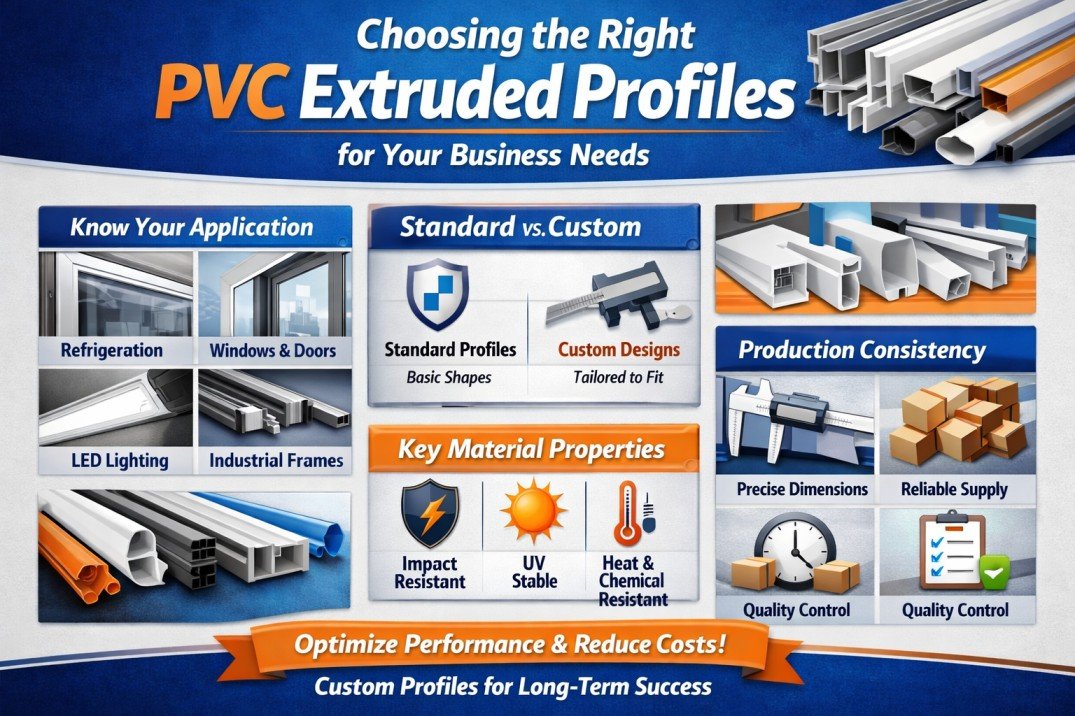
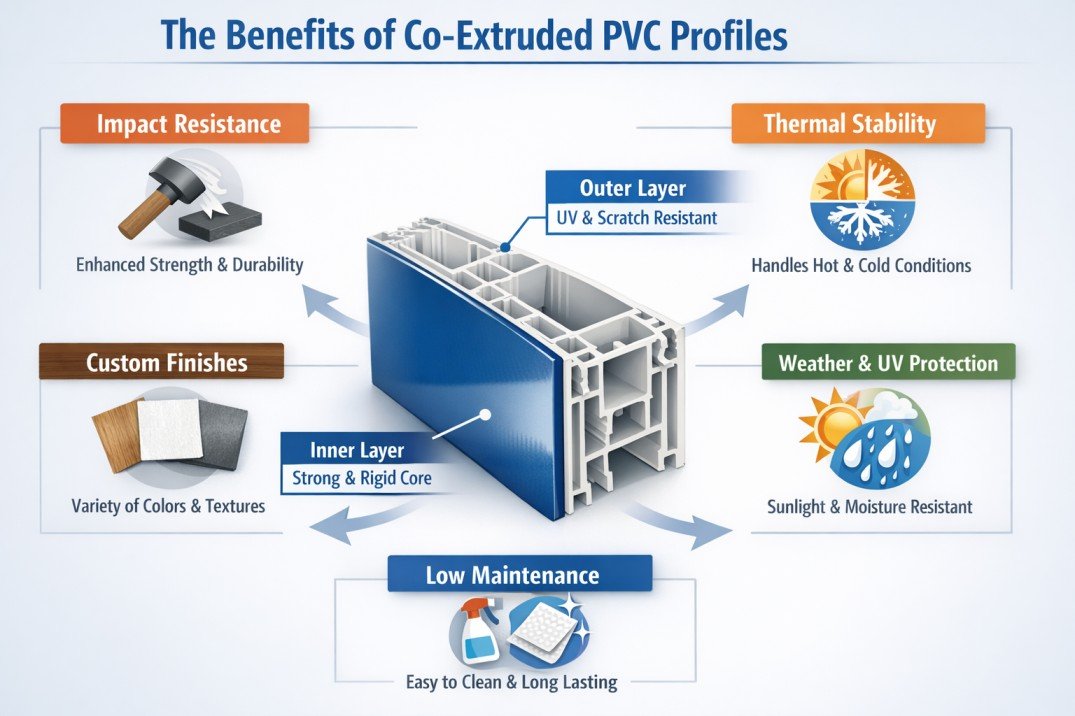
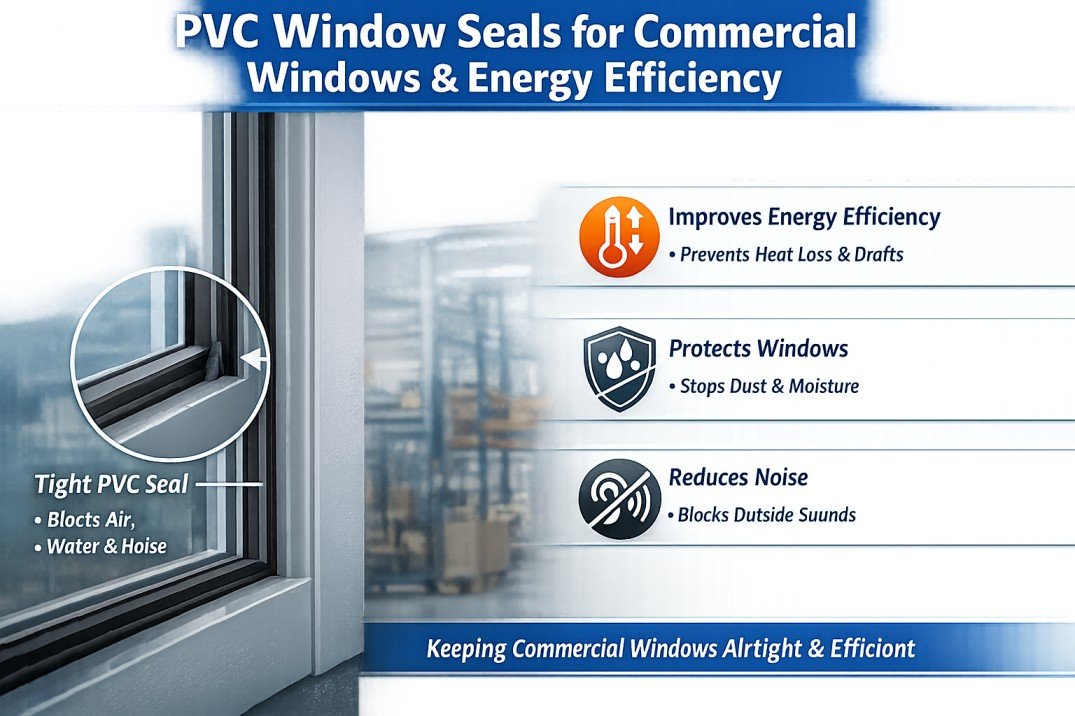
In any modern manufacturing plant, small details can make or break assembly efficiency. One often-overlooked component is custom extruded plastic. From precision spacers to protective covers, these components quietly ensure products fit, function, and last. In India, the demand for custom extruded plastic has grown significantly, as industries seek materials that are reliable, repeatable, and adaptable to specific technical requirements.
Using the right extruded plastic saves time, reduces errors, and supports long-term durability in industrial assemblies. This article explores where and how custom extruded plastic adds real value.
What Is Custom Extruded Plastic?
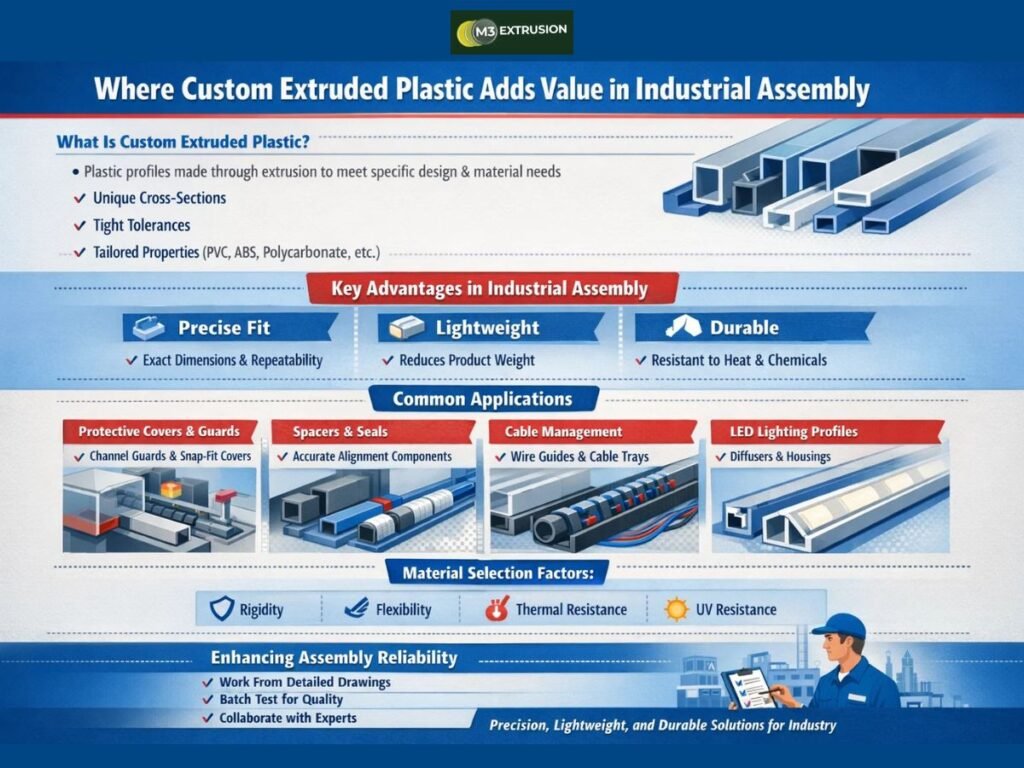
Custom extruded plastic refers to plastic profiles manufactured through an extrusion process, where raw polymer is heated, shaped, and cooled into a continuous profile. Unlike standard off-the-shelf plastic shapes, custom extrusion allows:
- Unique cross-sectional designs
- Specific tolerances for assembly
- Tailored material properties (rigid, flexible, UV-stable, or anti-static)
Common materials include PVC, polycarbonate, ABS, and high-impact polystyrene. These materials can be shaped to precise dimensions, enabling them to integrate seamlessly into industrial assemblies.
Key Advantages in Industrial Assembly
1. Precise Fit for Complex Components
In assemblies with tight tolerances, a misaligned spacer or cover can cause misfits or operational failures. Custom extruded plastic allows manufacturers to:
- Create exact dimensions from technical drawings
- Ensure repeatability across batches
- Reduce reliance on secondary adjustments
This precision reduces assembly errors, rework, and production downtime.
2. Lightweight Alternatives to Metal
For many assemblies, weight reduction is critical. Using custom extruded plastic:
- Lowers overall product weight
- Reduces strain on moving parts
- Makes manual handling easier in large-scale production
For example, conveyor systems, enclosures, and protective covers benefit from lighter components without sacrificing structural integrity.
3. Durability in Harsh Environments
Custom extruded plastics can be formulated to withstand exposure to moisture, heat, or chemicals. Industries that rely on durability include:
- Food processing
- Pharmaceutical equipment
- Cold storage and refrigeration
The reliability of custom extruded plastic ensures assemblies maintain consistent performance over time, even under frequent use or extreme conditions.
Common Applications in Industrial Assembly
A. Protective Covers and Guards
Machinery and sensitive electronics require protection from dust, debris, and accidental contact. Custom extruded plastics can be designed as:
- Channel guards
- Edge protectors
- Snap-fit covers
These profiles are inexpensive to produce and easy to replace if damaged, enhancing workplace safety.
B. Spacers, Gaskets, and Seals
Custom extrusions provide consistent spacing in assemblies where tolerance is critical:
Application | Benefit |
Industrial conveyor components | Prevents misalignment and wear |
Electrical panel spacing | Avoids short circuits or interference |
Glazing or façade panels | Ensures uniform seal and alignment |
Consistent spacing reduces installation errors and ensures long-term reliability.
C. Cable Management and Guides
Industrial assemblies often involve complex wiring. Extruded plastic profiles are ideal for:
- Cable channels and trays
- Conduit holders
- Wire separators
These components keep wires organized, reduce wear from friction, and simplify maintenance.
D. Lighting and LED Assemblies
For LED panels, diffusers, and housings, extruded plastic profiles provide:
- Accurate alignment for uniform light distribution
- Protective covers for sensitive diodes
- Snap-fit channels for modular assembly
This ensures both functional and aesthetic consistency.
Material Selection for Industrial Needs
Choosing the right material is crucial. Considerations include:
- Rigidity: Required for structural components
- Flexibility: Needed for snap-fit assemblies or vibration absorption
- Thermal Resistance: Critical in high-temperature environments
- UV Resistance: Important for outdoor or exposed components
Material choice affects longevity, ease of assembly, and maintenance requirements.
Best Practices for Using Custom Extruded Plastic
- Work From Detailed Drawings: Provide accurate dimensions, tolerances, and surface finish requirements.
- Batch Testing: Validate extruded profiles for fit and function before full production.
- Environmental Compatibility: Confirm resistance to heat, chemicals, and UV exposure.
- Collaborate With Manufacturers: Suppliers like M3 Extrusion can adjust profiles for automation compatibility or high-volume consistency.
Following these practices minimises installation errors and extends product life.
Enhancing Assembly Reliability
The reliability of custom extruded plastic is not just about material properties—it’s about process control. Consistent extrusion, careful quality checks, and precise design ensure that each profile performs as intended, batch after batch. Reliable custom extrusions reduce assembly downtime, lower scrap rates, and improve overall production efficiency.
Key Takeaways
- Custom extruded plastic provides precise, repeatable components for industrial assemblies.
- Lightweight and durable, these profiles support both operational efficiency and safety.
- Applications range from protective covers and spacers to cable management and LED housings.
- Material selection and collaboration with experienced extrusion manufacturers are critical for success.
- Reliability comes from design, material, and controlled production processes working together.
FAQs About Custom Extruded Plastic
What is the main advantage of custom extruded plastic in industrial assemblies?
Custom extruded plastic provides precise, repeatable components that fit exactly as designed. This reduces assembly errors, saves time, and ensures consistent performance across multiple batches.
Can custom extruded plastic replace metal components?
Yes, in many applications. Plastic extrusions are lighter, corrosion-resistant, and easier to handle. While metal may still be needed for high-strength applications, plastics offer weight reduction and design flexibility.
How do I select the right material for extrusion?
Material selection depends on rigidity, flexibility, thermal resistance, and chemical or UV exposure. Always match the material to the operating environment and intended application.
Are custom extruded plastics suitable for automated assembly lines?
Absolutely. Profiles can be designed for pick-and-place systems, feeders, and conveyor integration. Automation compatibility ensures faster assembly and reduces manual handling errors.
How do I ensure reliability in high-volume production?
Work with experienced manufacturers who provide batch testing, tight tolerance control, and quality checks. Consistency in production ensures each profile meets specifications and performs as expected.
Can extruded plastic profiles be customised for unique industrial needs?
Yes, custom profiles can be tailored for shape, size, material, surface finish, and functional requirements. This flexibility allows solutions for complex assemblies and unique industrial applications.
What industries benefit most from custom extruded plastic?
Industries including refrigeration, LED lighting, glass processing, machinery manufacturing, and electronics rely on custom extruded plastic for precise components, protective profiles, and lightweight assembly solutions.
Summary
Custom extruded plastic adds tangible value in industrial assembly by providing precision, durability, and lightweight alternatives to traditional materials. When selected and designed properly, these profiles enhance assembly efficiency, reduce errors, and support reliable long-term performance. Manufacturers benefit from reduced downtime, consistent quality, and safer, more manageable production processes.
Check related articles for more insights: