In industrial environments, equipment components, be it machine parts, support structures, or protective covers, must handle daily wear, moisture, and regular use. Not only can poor material choices lead to early damage, but they can also increase repair costs and cause work delays.
High-density polyethylene (HDPE) can help address these issues. Since it resists moisture, offers good strength, and does not rust like metal, it is a practical choice for many industrial applications. Not to mention, HDPE profiles can also be made in different shapes and sizes to meet the needs of various industrial applications.
With the growing use of HDPE across industries, businesses can find a plethora of companies offering custom HDPE extrusion solutions in India to meet their needs.
By offering strength, moisture resistance, and design flexibility, HDPE profiles provide a reliable option for various industrial needs.
What Are HDPE Profiles?
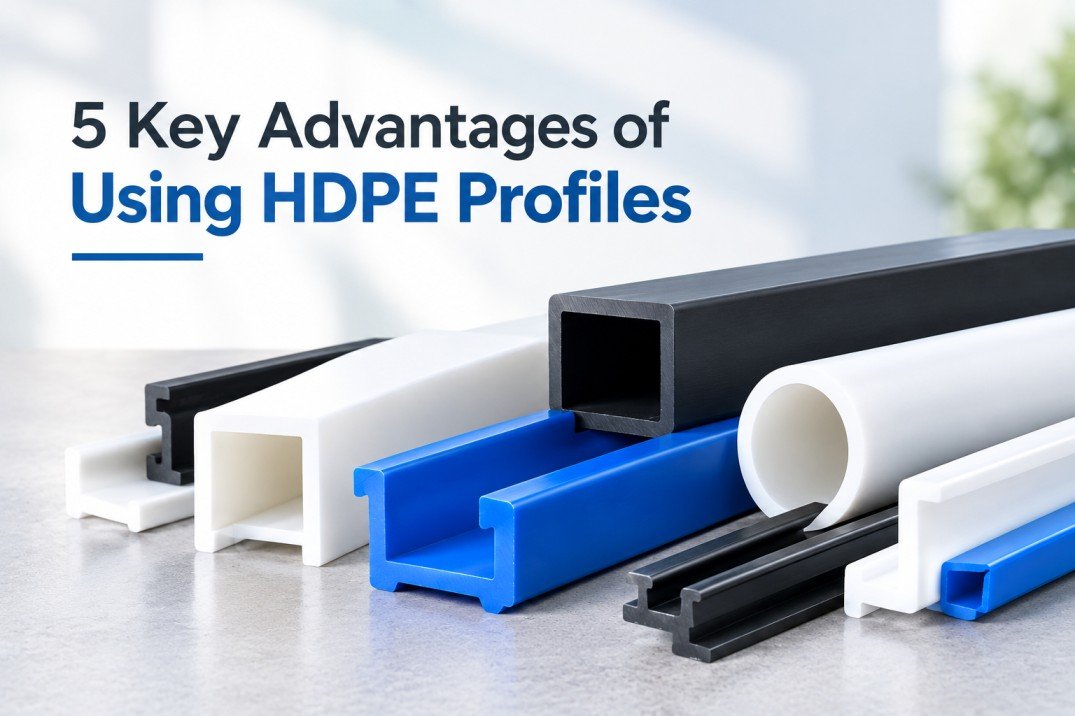
HDPE profiles are custom plastic shapes made from high-density polyethylene. They are formed by heating the plastic and pushing it through a shaped tool called a die. This process allows makers to produce profiles with set shapes and sizes.
These profiles can be made as channels, strips, tubes, and other shapes based on the needs of an application. Their design can also be changed to suit the fit and function of a part.
HDPE has a dense structure that limits water absorption. It does not rust like metal or rot like wood. It can also resist many common chemicals, though its level of resistance depends on the chemical and the conditions of use.
HDPE profiles for moisture-resistant applications offer low water absorption, good strength, and resistance to rust and rot. With low water absorption and good strength, HDPE profiles help components stay in good shape and perform well in damp conditions. These properties make HDPE profiles a reliable choice for components that need to withstand moisture, resist wear, and maintain their shape over time.
5 Key Advantages of Using HDPE Profiles
HDPE profiles have become a practical choice for industrial components that face moisture, regular wear, and demanding working conditions. Their material properties help address common issues such as early damage, rust, and frequent upkeep.
The following five points explain what makes HDPE profiles a reliable option for long-term use.
1. High Resistance to Moisture
One of the major benefits of HDPE profiles is the fact that they absorb very little water. This helps industrial components maintain their shape and reduces the risk of moisture-related damage. In comparison, wood may swell or rot, while some metals can rust when exposed to moisture over time.
This property makes HDPE profiles suitable for industrial settings where water exposure is common. They can be used in components that face regular cleaning, humid air, or outdoor conditions.
Their low water absorption helps them perform reliably in damp environments without swelling or rotting like some other materials. This makes HDPE profiles a practical choice for components that need to withstand regular moisture exposure.
2. No Rust or Corrosion
In addition to resisting moisture, HDPE profiles also prevent rust and corrosion because they are made from plastic rather than metal. This makes them a useful option for industrial applications where components are exposed to water, damp air, or certain chemicals.
Rust and corrosion can weaken metal parts over time. Damaged parts may need surface treatment, repair, or replacement to remain safe and functional.
HDPE profiles also resist many common chemicals, though their suitability depends on the substances they come into contact with. Since they do not need rust-proof coatings, they can reduce the work required to protect components from corrosion.
For industrial applications where moisture exposure is common, HDPE profiles offer a practical way to reduce rust-related damage and maintenance needs.
3. Strong and Durable
Industrial parts must handle regular use without wearing out too soon. They may face impact, friction, pressure, and other forms of stress during daily work. A material that cannot handle these conditions may need frequent repair or replacement.
HDPE profiles are known for their toughness and impact resistance. They can handle normal wear and tear in suitable applications without cracking easily. Their strength also makes them useful for parts that need to support loads within the limits of the material.
Another key feature is their ability to resist damage from moisture. Unlike materials that weaken or break down after repeated water contact, HDPE remains stable in wet conditions.
This helps extend the service life of parts when the profile is designed and used correctly. Fewer replacements can also reduce downtime and help control maintenance costs.
However, the load, temperature, and type of stress must be considered when choosing HDPE profiles. The right design helps ensure that the material performs as expected.
4. Low Maintenance Needs
When compared to materials like wood and metal, HDPE profiles need little to no maintenance. Wood may require sealing or painting, while metal parts may need protective coatings to prevent rust. HDPE profiles do not rust and are easy to clean, which helps reduce routine upkeep.
Basic cleaning is often enough to remove dirt and common surface deposits. The cleaning method depends on the type of dirt, the operating conditions, and any chemicals used during cleaning.
Lower maintenance needs can reduce the time spent on routine care and limit the need for extra surface treatments. This makes HDPE profiles a practical choice for industrial components that need to remain in good condition with minimal upkeep.
Regular checks are still important to identify wear, damage, or changes caused by operating conditions.
5. Easy to Customize for Different Uses
Another major benefit of HDPE profiles is the fact that they can be customized to suit different industrial applications. Manufacturers can adjust the profile’s shape and dimensions to match the design and function of a machine or system.
Depending on the application, HDPE profiles can be made with different shapes, widths, heights, wall thicknesses, and lengths. These details help ensure that each profile fits the intended space and performs its required function.
Customized HDPE profiles can serve as guides, supports, covers, and other industrial components. Their design can account for available space, expected loads, and operating conditions.
Before placing an order, sharing clear technical drawings, dimensions, or samples with the manufacturer helps confirm the design and determine whether HDPE is suitable for the application.
This customization allows industries to source profiles that meet their equipment requirements without relying only on standard shapes.
Get Custom HDPE Profiles From M3 Extrusion
M3 Extrusion manufactures custom HDPE profiles for industrial components that require specific shapes, dimensions, and performance properties. Buyers can share their design requirements and discuss profile specifications before production.
Custom HDPE Profile Manufacturing
M3 Extrusion can manufacture custom HDPE profiles based on industrial component designs. Buyers can share technical drawings, dimensions, cross-sections, and other specifications to define the required profile.
M3 Extrusion has 14+ extrusion lines and supports sample production before bulk manufacturing. Buyers can review a sample to check the profile’s shape and dimensions before proceeding with a larger order.
Bulk Order Support
Industrial manufacturers may need consistent HDPE profiles for ongoing production. M3 Extrusion supports bulk orders, with a standard minimum order quantity starting at 1,000 kg. Buyers can discuss profile specifications, order quantities, and production timelines before confirming an order.
Export Support
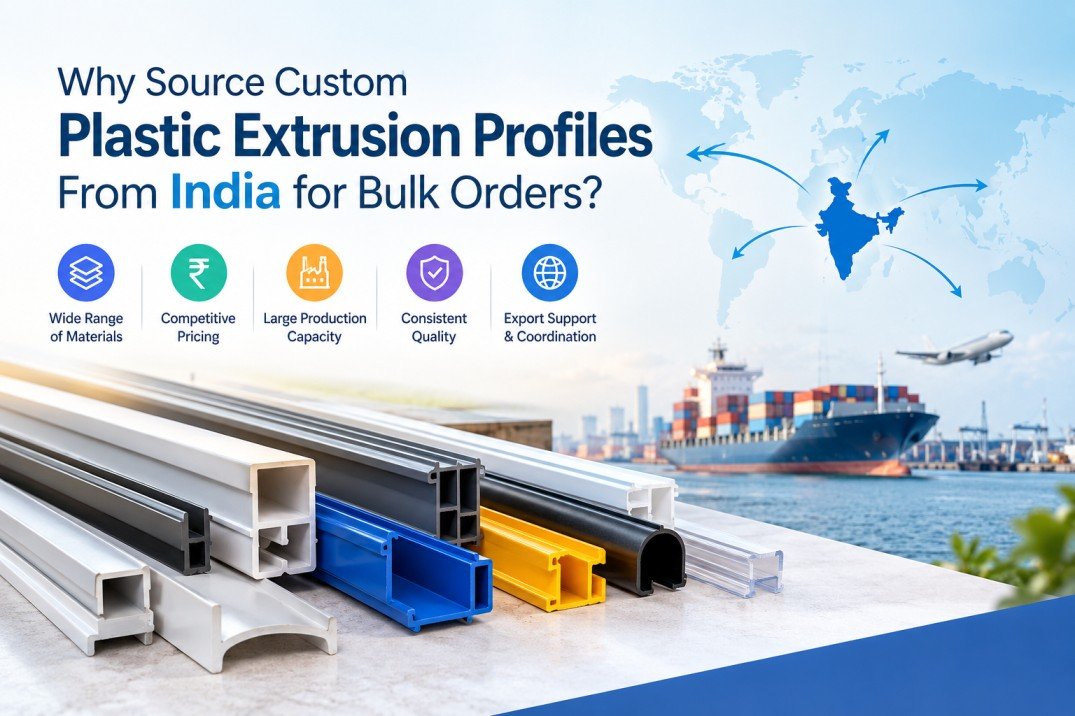
For international buyers sourcing HDPE profiles from India, M3 Extrusion offers FOB and CIF shipping terms. Air freight can also be arranged for urgent orders. Export documents, including a Certificate of Origin, can be provided as required, helping buyers plan shipments for their industrial component needs.
Frequently Asked Questions
Are HDPE profiles suitable for outdoor use?
Yes. HDPE profiles can be used outdoors because they absorb very little water and do not rust. For long-term outdoor use, the grade should be chosen based on sun exposure, temperature changes, and other site conditions.
Can HDPE profiles handle regular contact with water?
Yes. HDPE absorbs very little water, so regular contact does not cause the same swelling or rot seen in some other materials. The profile must still be suited to the load and conditions of the application.
Are HDPE profiles easy to maintain?
Yes. HDPE profiles do not need paint or rust-proof coatings. They are also easy to clean in many settings, which helps reduce routine upkeep.
Can HDPE profiles be made to custom sizes and shapes?
Yes. HDPE profiles can be made in different shapes and sizes to meet design needs. Clear drawings, dimensions, and details about the intended use help the manufacturer plan the right profile.
Conclusion
HDPE profiles offer a mix of strength, moisture resistance, and low upkeep, making them a reliable choice for making durable, long-lasting components. Their resistance to rust and flexible design options also make them suitable for different equipment needs.
Are you looking for reliable HDPE profiles for your industrial needs? M3 Extrusion offers high-quality custom HDPE profiles designed to meet a range of component requirements. Contact us to discuss your needs and find the right HDPE profile for your application.