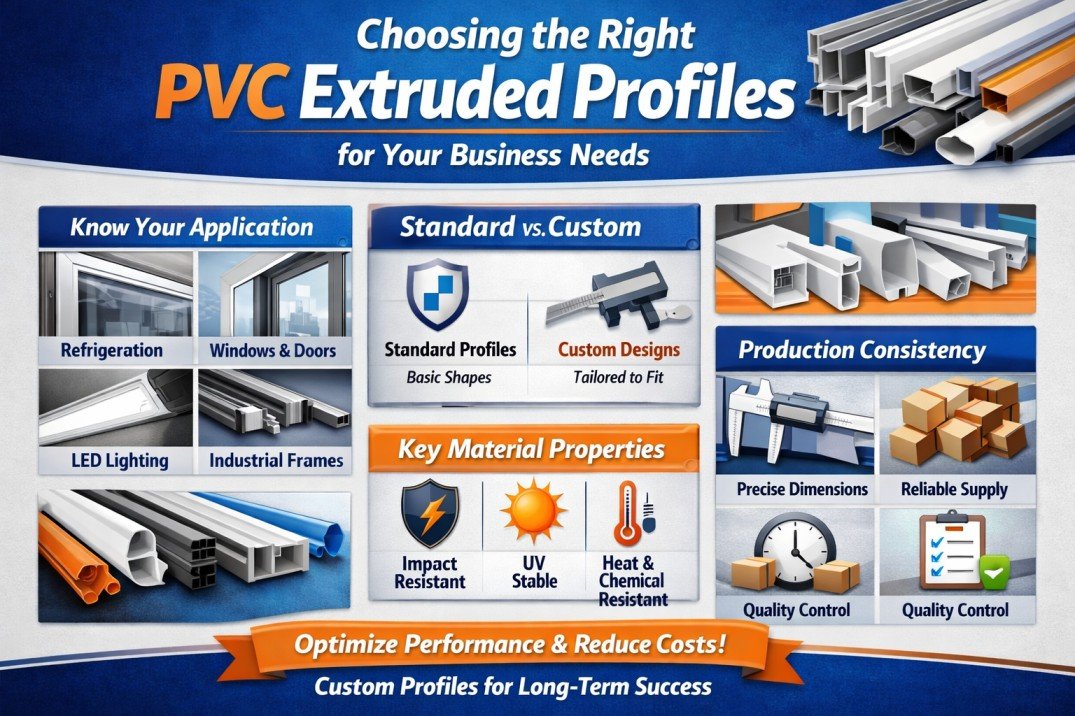
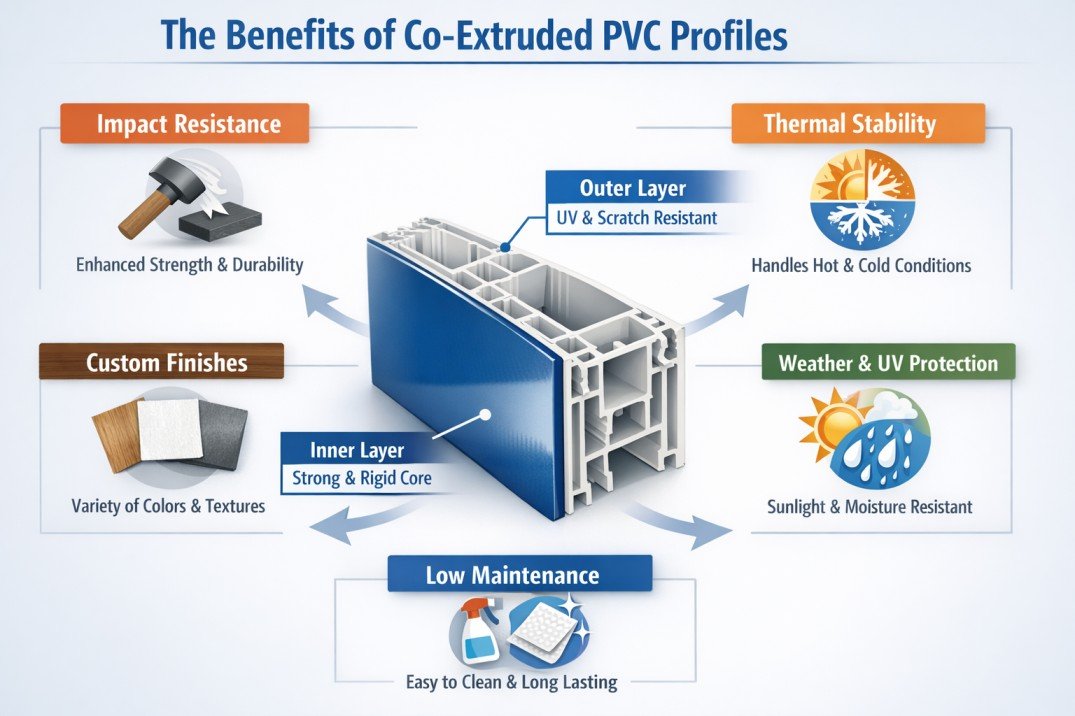
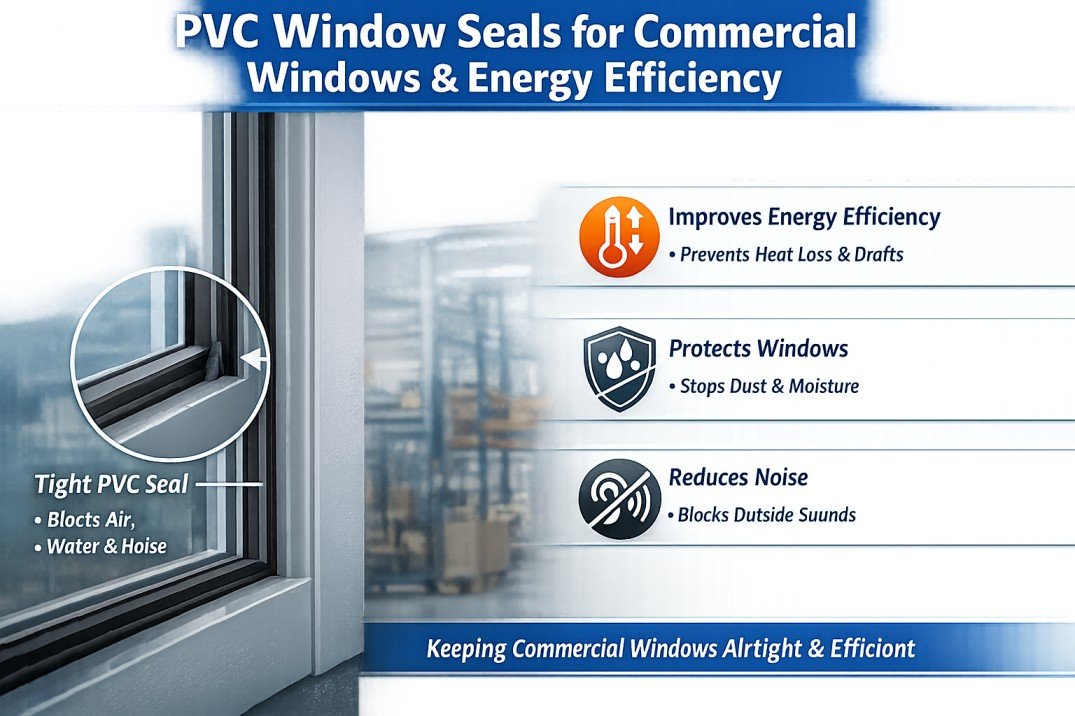
No matter how advanced or sturdy your windows are, energy can still slip away if they aren’t sealed properly. Gaps, worn seals or misaligned frames let heated or cooled air escape, forcing HVAC systems to work harder and driving up operational costs. With uPVC profiles, industrial facilities can prevent these issues effectively.
Not only do window PVC profiles block air leaks, prevent drafts and stop moisture and dust from entering, but they also reduce energy waste, lower operational costs, and create a more comfortable and safer indoor environment.
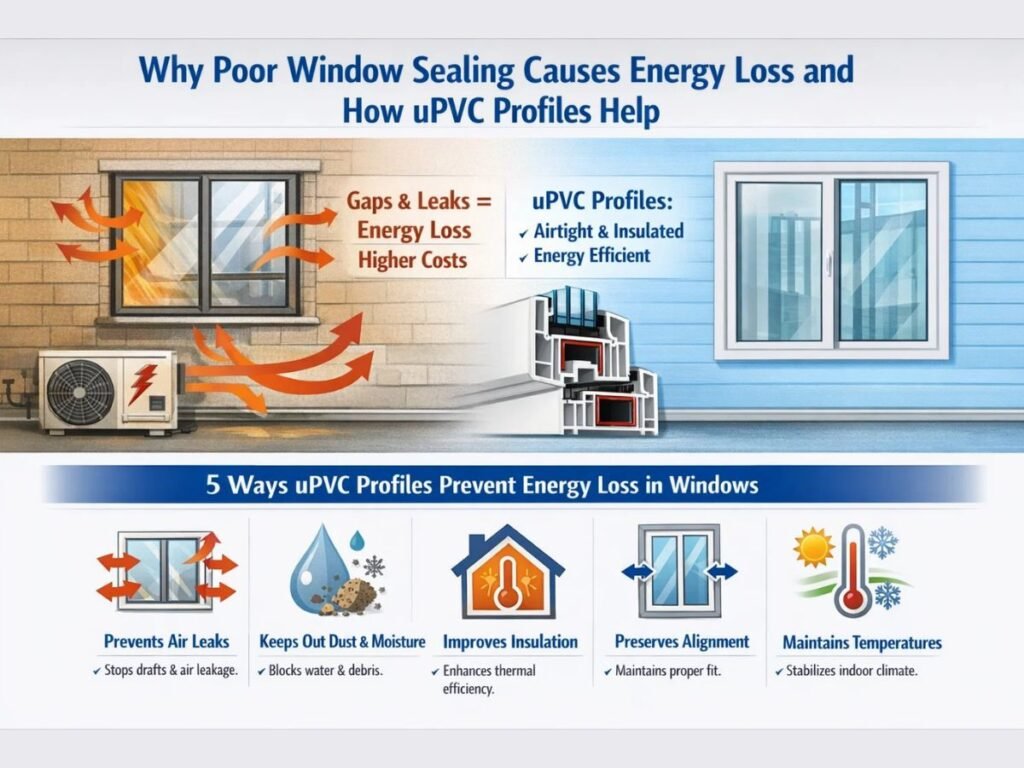
By using durable uPVC profiles, industrial windows can maintain stable indoor temperatures, reduce noise and protect machinery and inventory, ensuring long-term operational efficiency.
What is a uPVC profile?
Made from unplasticised polyvinyl chloride, a uPVC profile is the frame that holds a window or door in place. Unlike wood or metal, uPVC is strong, durable, and resistant to warping, corrosion and moisture. Its multi-chambered design traps air to improve insulation, while high-quality seals prevent drafts, dust, and water from entering.
In industrial settings, uPVC profiles help maintain stable indoor temperatures, protect equipment, and reduce energy costs, making them a long-lasting and efficient choice for windows and doors. Many facilities are now opting for commercial windows with PVC profiles to maximize energy efficiency and durability.
5 Ways uPVC Profiles Prevent Energy Loss in Windows
With uPVC profiles, you can create a tighter, better-sealed window that retains conditioned air and also reduces energy loss over time. These profiles are designed to work with the window as a whole, creating a tighter fit that helps control air flow. By keeping gaps and leaks under control, they contribute to maintaining a consistent indoor environment.
The design and structure of uPVC profiles support insulation, while the material itself stays strong and durable over time. Together, these features make windows more effective at managing temperature and reducing unnecessary energy use.
Here are five ways uPVC profiles prevent energy loss in windows.
Prevents Air Leaks
By creating a tight fit around the window frame, a uPVC profile blocks gaps where air can escape. This helps maintain indoor temperatures and reduces energy loss throughout the year.
- Seals gaps effectively: The uPVC profile fits snugly against the wall and glass, preventing conditioned air from leaking outside and keeping cold or hot air inside.
- Limits heat transfer: By stopping uncontrolled airflow, the profile reduces the loss of warm or cool air, helping HVAC systems work more efficiently.
- Blocks uncontrolled airflow: The uPVC profile stops outside air from entering and inside air from escaping, ensuring the window acts as an effective barrier against leaks.
Overall, a uPVC profile keeps indoor air from escaping and outdoor air from entering, helping windows perform efficiently while supporting energy savings and maintaining a comfortable indoor environment.
Keeps Out Dust and Moisture
In addition to preventing air leaks, a uPVC profile also helps stop dust, rain, and moisture from entering through the window frame. This protects interiors and supports the overall efficiency of the window.
- Blocks water ingress: The uPVC profile’s tight seals prevent rainwater or humidity from entering, keeping walls, floors, and furniture safe from damage.
- Prevents dust accumulation: By keeping out dust and debris, the profile helps maintain cleaner indoor air and reduces wear on window mechanisms.
- Stops airborne particles: The uPVC profile acts as a barrier against fine particles, pollen, and outdoor debris, keeping indoor air cleaner and protecting the interior from contamination.
By keeping dust and moisture out, a uPVC profile safeguards interiors and ensures the window continues to perform effectively for years.
Improves Insulation Performance
Since a uPVC profile helps in reducing heat transfer, it improves insulation, keeping indoor spaces warmer in winter and cooler in summer. This allows windows to better control temperature flow throughout the year.
- Limits heat movement: The uPVC profile slows down the transfer of heat through the window frame, reducing unwanted heat gain or loss.
- Supports insulated window design: The structure of the uPVC profile works with glazing to strengthen the window’s overall insulation capability.
- Preserves insulation over time: The uPVC profile maintains its shape and fit, ensuring insulation performance does not drop due to gaps or deformation.
Overall, uPVC profiles strengthen window insulation, helping buildings manage temperature more effectively and reduce energy loss.
Preserves Window Alignment
A uPVC profile helps the window frame stay properly aligned over time, preventing gaps that can allow air as well as energy to escape. This ensures the window continues to perform efficiently as it ages.
- Resists frame movement: The uPVC profile maintains its shape despite temperature changes and regular use, reducing the risk of misalignment.
- Supports proper window closure: By keeping the frame aligned, the uPVC profile allows the window to close evenly and maintain a secure seal.
- Reduces hardware strain: The uPVC profile keeps the window frame evenly supported, preventing stress on hinges and locking points that can weaken closure over time and lead to gradual energy loss.
With uPVC, windows maintain their alignment over time, reducing gaps and inefficiencies, which helps retain energy and ensures reliable long-term performance.
Maintains Consistent Indoor Temperatures
By controlling unwanted air movement and heat flow, a uPVC profile helps keep indoor temperatures steady throughout the day. This prevents sudden temperature changes that can affect comfort and energy use.
- Reduces temperature fluctuations: The uPVC profile limits outside heat and cold from influencing indoor conditions, helping spaces stay evenly tempered.
- Supports HVAC efficiency: By keeping indoor temperatures stable, the uPVC profile reduces frequent system adjustments, helping heating and cooling systems operate more efficiently.
- Limits peak heat gain and loss: The uPVC profile reduces extreme heat entry during hot periods and limits heat escape during cooler periods, helping indoor spaces avoid sudden temperature extremes.
By helping maintain consistent indoor temperatures, a window PVC profile supports comfort and efficient energy use over time.
Conclusion
In today’s industrial buildings, uPVC profiles are playing a key role in preventing energy loss. They seal windows tightly, block dust and moisture, and enhance insulation, helping maintain stable indoor conditions, reduce energy costs, and ensure long-term operational efficiency.
Are you looking for high-quality uPVC profiles that improve energy efficiency and window performance? M3 Extrusion offers durable, precision-engineered uPVC profiles designed to reduce energy loss, block dust and moisture and ensure long-term reliability for your windows.
Frequently Asked Questions
Can uPVC windows reduce heating and cooling bills?
Yes. By minimising air leakage and improving insulation, uPVC windows reduce the workload on heating and cooling systems. This helps lower energy consumption and monthly bills while keeping indoor spaces comfortable throughout the year.
Can uPVC profiles protect against moisture and dust?
uPVC profiles prevent moisture, dust, and drafts from entering through window gaps. This protects interiors, furniture, and equipment, while maintaining a stable indoor environment that supports energy efficiency and overall comfort.
How do uPVC profiles maintain indoor temperatures?
The multi-chambered design of uPVC profiles traps air inside the frame, acting as insulation. High-quality seals prevent conditioned air from escaping, keeping rooms at a stable temperature and reducing energy use for heating and cooling.
Are uPVC windows suitable for all types of buildings?
Yes. uPVC windows can be installed in residential, commercial and industrial buildings. They provide energy efficiency, durability, and comfort across different environments while adapting to various window sizes and designs.
Author Bio:
M3 Extrusion is a leading custom plastic extrusion manufacturer in India with more than 13 years of experience in polymer profile development. The company specialises in PVC, PC, ABS, and other extruded plastic profiles for lighting, construction, refrigeration, and industrial applications. With a focus on quality, innovation, and custom solutions, M3 Extrusion helps businesses achieve durable and precise extrusion results.
Check related articles for more insights:
- How to Improve Weather Resistance with Durable PVC Sealing Solutions
- Why uPVC Window Seals Matter for Long-Lasting Performance in Indian Homes